
The Importance of a Strong Digital Presence: What Works, What Doesn’t & How to Optimize Your Website
Over the years, I’ve seen a lot of websites come and go—and most of them fall into the same trap: they exist, but they don’t work. They’re online, but they don’t really do anything for the business. I’ll be honest, I’ve made the same mistakes. Early on, I treated my website like a digital business card—nice to have, but not central to my marketing efforts. What I’ve learned, though, is that your website needs to be your hardest-working employee. It should drive traffic, capture leads, and build trust. If it’s just sitting there, it’s wasted potential.
I’m not talking about throwing up a flashy design or stuffing pages with keywords. What I’m talking about is creating a website that actually works—for you and for your visitors. So here’s the no-fluff truth about what I’ve seen out there, what I know works, and how to make sure your website is pulling its weight.
1. First Impressions Are Everything: Don’t Make Them Guess
Here’s the reality: if someone lands on your website and it looks outdated, takes forever to load, or makes it hard to find what they’re looking for, they’re gone. Period. And they’re probably not coming back. We’ve all done it—clicked away from a site because something felt off or it was just too clunky to navigate.
The secret here is simple: Don’t make visitors guess.
Your website should immediately tell people three things:
-
- Who you are
-
- What you offer
-
- Why they should care
And it needs to do that fast. I’ve seen too many entrepreneurs overcomplicate this. Fancy sliders and cool effects are nice, but if they don’t clearly show what value you bring, they’re useless.
Pro tip: Speed matters. Slow load times are a killer. If your site takes too long to load, even the most patient visitors will bounce. Tools like Google PageSpeed Insights will tell you what’s slowing you down, and fixing it is worth every second.
2. The “Call-to-Action” Problem: Be Direct, Not Cute

One of the biggest mistakes I see? Weak or missing calls-to-action (CTAs). It sounds basic, but I can’t tell you how many websites I’ve visited where I’m left wondering, “What am I supposed to do next?”
Look, your website isn’t just a passive resource. It’s a tool to move people down the funnel—whether that’s signing up for your email list, booking a consultation, or buying something. So don’t be shy about it. If you’re not telling your visitors exactly what to do, you’re losing them.
What works:
-
- Bold, clear CTAs above the fold—before they start scrolling.
-
- Actionable language: Forget “Click here” or “Learn more.” Try “Get your free guide” or “Book your free consultation.”
-
- One focus per page: Don’t overload each page with too many CTAs. Keep it simple and direct.
3. SEO: The Workhorse Behind the Scenes
I used to roll my eyes at SEO. Honestly, it felt like this mysterious thing that only tech people cared about. But let me tell you, when you start seeing the organic traffic roll in because of good SEO, it changes everything.
SEO is the long game. It’s not glamorous, and it won’t give you overnight results. But if you ignore it, your site is basically invisible. I’ve seen businesses pour thousands into paid ads while ignoring SEO, only to find out that they could have been ranking organically with a little effort upfront.
Here’s what works:
-
- Keywords: But not the ones you think people search for. Use tools like Ubersuggest or SEMrush to find what your audience is actually searching. Then weave them naturally into your content.
-
- On-page SEO: Each page should have a unique title and meta description. It’s the behind-the-scenes stuff that Google loves.
-
- Consistent content: Regular blog posts or updates that answer your audience’s questions build authority and help Google see you as relevant.
SEO might not be sexy, but it works. And it works for a long time.
4. Social Proof: If You Don’t Have It, You’re Missing Out
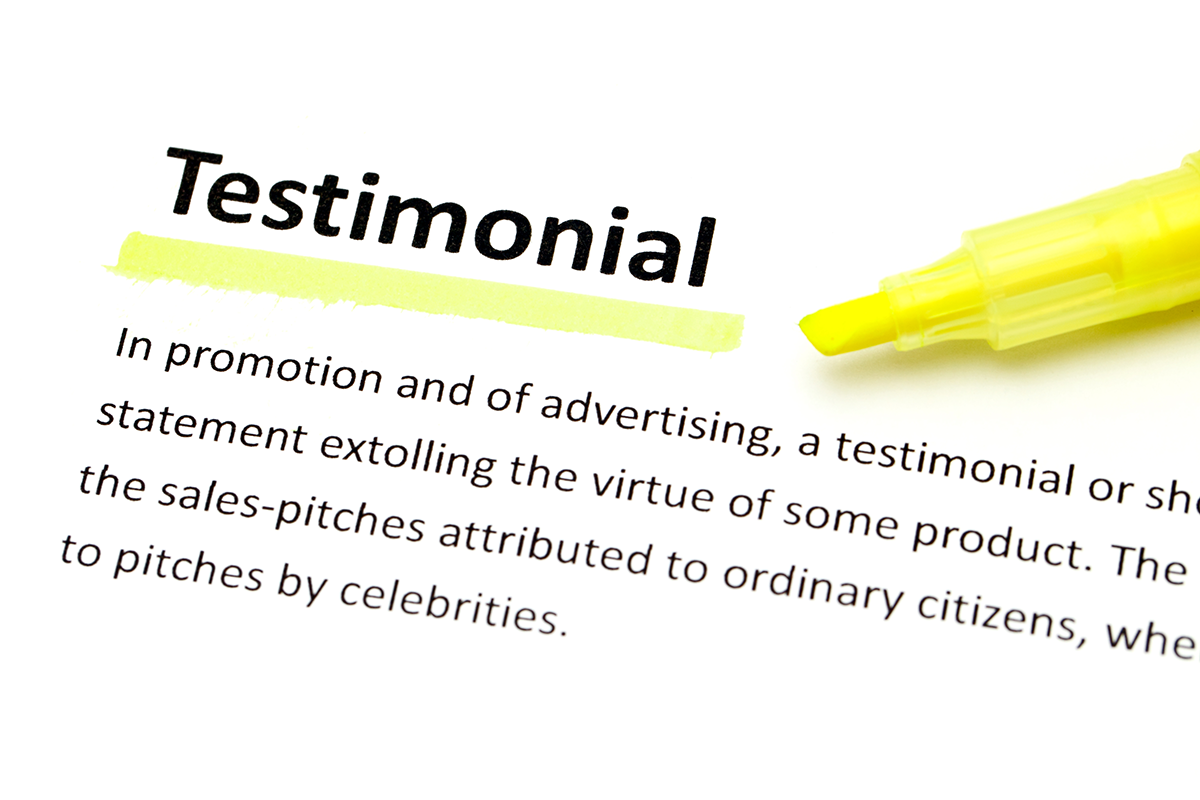
This is a big one that’s often overlooked. People want proof that you’re legit before they trust you with their money or time. I’ve seen too many entrepreneurs struggle because their websites don’t show any social proof.
Testimonials, reviews, and case studies can make all the difference. You can’t just tell people you’re great—you need other people to say it for you. And not just anywhere. I’m talking right on your homepage, where new visitors can see it.
Here’s what you need:
-
- Customer testimonials: Real quotes from real people. If you’ve helped clients, get their permission to share their success stories.
-
- Case studies: Walk potential customers through how you’ve solved problems for others. People love to see the process.
-
- Third-party reviews: Google reviews, Trustpilot, Yelp—wherever your audience is checking, make sure you have a presence.
Social proof = trust. And trust = conversions.
5. Lead Generation: Your Website Needs to Capture Emails

This is the part a lot of entrepreneurs miss—especially when they’re just getting started. Your website needs to capture leads. Period. If you’re not collecting emails, you’re leaving money on the table. I didn’t realize how important this was until I started using a lead magnet—a free guide or consultation—in exchange for emails. And it changed everything.
Here’s why it works:
-
- Lead magnets offer something of real value in exchange for an email. But it has to be something your audience wants, not just a random PDF.
-
- Pop-ups and forms: Don’t be afraid to use well-placed pop-ups or forms to collect emails. If someone’s on your site, they’re already interested—make it easy for them to stay in touch.
I’ve seen this work for businesses of all sizes. And the best part? Once you have their email, you can nurture those leads through follow-up emails and convert them into paying customers over time.
6. Create Content That Actually Helps

We’ve all heard “Content is king,” but let me add this: helpful content is king. I’ve seen entrepreneurs pump out tons of blog posts and videos that are just noise. Your content needs to be valuable and solve a problem for your audience.
What I’ve found works:
-
- Answer their questions: Think about the top 10 questions you get asked by customers, and write blog posts or create videos answering them.
-
- Evergreen content: Focus on content that stays relevant. While trendy topics can get quick traffic, evergreen content will keep working for you long-term.
-
- Repurpose: Don’t reinvent the wheel. A good blog post can become a video, a podcast episode, and several social media posts. Make your content work harder for you.
By creating content that helps people, you not only establish yourself as an expert, but you also build trust—trust that turns into sales.
7. Your Website is Never Done: Constantly Improve

This is one of the biggest lessons I’ve learned. Your website is never done. There’s always room for improvement. Whether it’s tweaking your CTAs, updating your content, or adding new testimonials, you should always be looking at ways to optimize. And the best part? The data is right there.
Use tools like Google Analytics to see what’s working and what’s not:
-
- Bounce rate: If people are leaving your site after just a few seconds, something’s wrong.
-
- Conversion rates: Measure how many visitors are taking action (downloading your lead magnet, signing up, etc.).
-
- Traffic sources: Know where your visitors are coming from—Google, social media, email? This helps you double down on what’s working.
The beauty of your website is that it can always evolve, and even small tweaks can make a big difference.
Final Thoughts: Make Your Website Work for You
Your website isn’t just a digital placeholder. It’s a lead-generating, trust-building, revenue-driving machine—if you set it up to work that way. I’ve learned these lessons the hard way, and now I want to help other entrepreneurs avoid the same mistakes.
If you’re serious about making your website a true asset for your business, I’ve put together a free checklist that walks you through these key steps. Download it today and start optimizing your site to work for you, not just sit there.